Investing5 min read
Compound Interest, Explained Simply (And Why Starting Early Wins)
Two people save $200 a month. One starts at 25, the other at 35, and ends up with less than half as much. Here is exactly why — with every number shown.
Read
Learn • Plan • Grow • Prosper
Simple, practical financial education that helps you make smarter money decisions.
No buy or sell signals, no product pitches, no hype. Just how the mechanics actually work.
Every calculation states its inputs, so you can check the numbers rather than trust them.
Ten free calculators turn each lesson into a figure that applies to your situation.
Featured guides
The ideas that do the most work in a financial life, explained from the ground up with every assumption on the page.
Two people save $200 a month. One starts at 25, the other at 35, and ends up with less than half as much. Here is exactly why — with every number shown.
What a credit score measures, the five things that move it, and why the same balance can help or hurt depending on the day it is reported.
Three to six months of expenses is the usual answer. Here is where that number comes from, when it is wrong, and how to size a fund around your actual essentials.
Popular categories
Fourteen pillars covering everything from a first budget to withdrawal rates in retirement.
The long-run mechanics: ownership, diversification, costs and time.
ExploreHow credit scores are actually calculated — and what moves them.
ExploreAccounts, contributions, and what your future spending implies today.
ExploreGive every dollar a job before the month starts.
ExploreBrackets, deductions and withholding, in plain English.
ExploreWhat a bank actually does with your money — and what protects it.
ExploreFinancial calculators
Free, instant and private — every calculation runs in your browser and nothing you type is sent anywhere.
See how a starting balance and regular deposits grow over time.
Open calculatorProject a retirement balance and what it could support each year.
Open calculatorEstimate a monthly payment including taxes and insurance.
Open calculatorWork out the payment, total interest and payoff date of any fixed loan.
Open calculatorSee how long a balance takes to clear — and what it costs.
Open calculatorSize a cash cushion around your real monthly essentials.
Open calculatorLatest articles
Two people save $200 a month. One starts at 25, the other at 35, and ends up with less than half as much. Here is exactly why — with every number shown.
What a credit score measures, the five things that move it, and why the same balance can help or hurt depending on the day it is reported.
Three to six months of expenses is the usual answer. Here is where that number comes from, when it is wrong, and how to size a fund around your actual essentials.
A simple way to split take-home pay into needs, wants and saving — what each bucket includes, why the percentages are a reference and not a rule, and what to do when housing eats the budget.
What a fund actually is, how index funds and ETFs differ, and the arithmetic that turns a 1% annual fee into a quarter of your final balance.
Why a raise into a higher bracket never leaves you with less money, what your effective rate really is, and the difference between a deduction and a credit.
Latest videos
Every video shows the numbers on screen — charts, worked examples and the assumptions behind them.
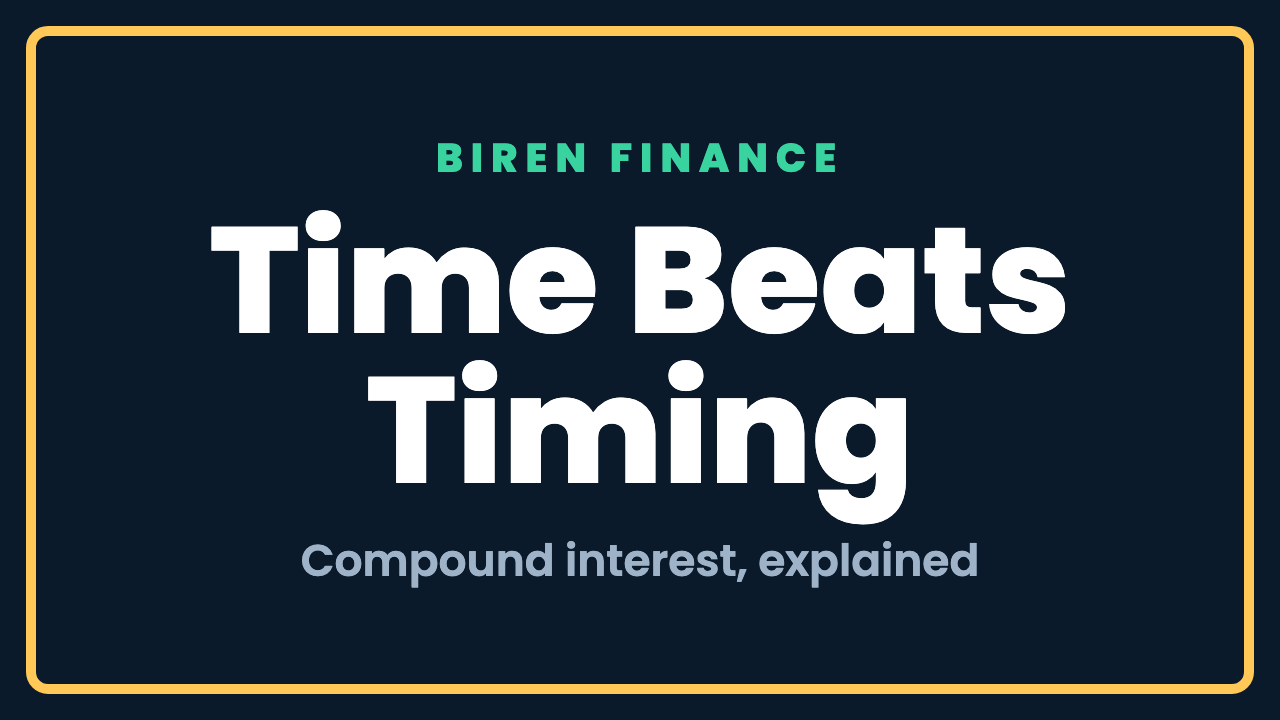 Long formWatch “Compound Interest, Explained Simply (And Why Starting Early Wins)” on YouTube
Two people save the same $200 a month. One starts at 25, the other at 35. The full walkthrough of why the gap gets so large — with every number shown on screen.
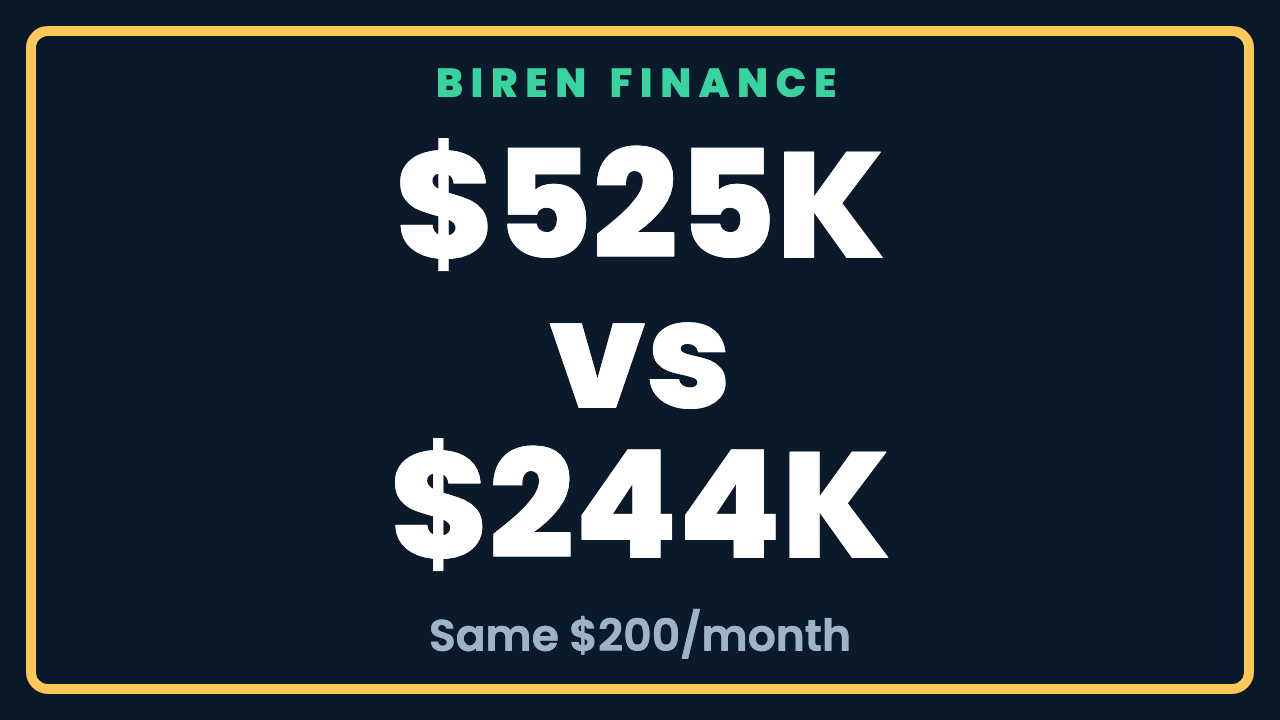 ShortWatch “Age 25 vs Age 35: The $281,000 Difference” on YouTube
The short version: same monthly saving, ten years apart, and the ending balances are $525K against $244K. Assumes a 7% average annual return — not guaranteed.
Free weekly financial education — plain English, no hype, no spam. Unsubscribe any time.
Educational content only. We never sell or share your address.
FAQ
What this site is, and what it deliberately is not.